Ever opened your cleaning cupboard and found half-used sprays, expired bottles, and products you don’t even remember buying?
After years of home cleaning, wasting hundreds of dollars on useless products, and spending hundreds of hours researching what actually works, I realised something uncomfortable. Around 80 percent of common household cleaners fall into the category of toxic cleaning products to avoid. They are either ineffective, unnecessary, or actively harmful.
In this video, I’m calling out the worst offenders and showing you simpler, non-toxic swaps that actually clean without trashing your health or your home.
The Starter Pack (Because Bribery Works)
We can’t fix your bad back, but we can help you take the tomato sauce out of your shirt. This kit has everything (and free gifts) we use to turn "filthy" into "functioning adult".
Shop the Starter PackHere's the first toxic cleaning product to avoid.
1. Air Fresheners
Air fresheners are the biggest scam in the cleaning aisle. Sprays, plug-ins, scent beads, toilet drops, car trees, the lot. They all promise “freshness” but what you’re really doing is spraying a chemical mist into the air and hoping it fixes the problem. It doesn’t. It hides it for five minutes and then settles into your lungs.

These things are not harmless. The famous Little Trees air freshener? Invented because a milk truck driver couldn’t handle the smell of spilled milk. Romance is dead.
Behind every cosy “autumn cabin” or “fresh linen” scent is a cocktail of phthalates and synthetic fragrances. Phthalates are plasticisers. Their job is to make scents last longer by clinging to surfaces, which unfortunately includes your lungs. Studies have analysed air fresheners and found hundreds of volatile chemicals, dozens of which are flagged as potentially hazardous. None of that is on the label. Even the ones marketed as “natural” or “green” offer zero safety advantage.
Air fresheners don’t clean. They don’t purify. They don’t fix the smell. They just contaminate the air you and your kids are breathing.
The best air freshener? Fresh air. Open a window. Add a houseplant. And if you really want a pleasant scent, use a pet-safe essential oil diffuser and make sure it’s clean so you’re not diffusing mystery mould spores into the room.
Simple, cheap, and actually safe. No fake lemon cloud required.
2. Dryer Sheets and Fabric Softeners
Dryer sheets and fabric softeners sound harmless. They promise fluffy towels, soft shirts, and that “clean laundry smell.” But what they actually leave behind is a sticky coating of chemicals called quats. These cling to your clothes, stay on your skin, and slowly off-gas into the air inside your home.

Quats are linked to respiratory inflammation and occupational asthma. They don’t rinse out, they aren’t gentle, and they do nothing to actually clean your clothes. They just perfume them. It’s like spraying deodorant on a teenager and pretending the room is fine.
A better option is wool dryer balls. They work by bouncing around the dryer, separating clothes so air circulates better. That means softer laundry, fewer wrinkles, and shorter drying times without coating your clothes in chemicals.
 And if you still want that fresh smell, just add a few drops of your favourite essential oil to each ball. Eucalyptus is a winner. Let it dry for a few seconds, toss the balls in, and enjoy a clean scent without the endocrine disruption.
Simple. Reusable. Non-toxic. And they don’t turn your home into a chemical fog machine.
3. Oven Cleaner

Oven sprays are chemical warfare in a can. The stuff inside them is incredibly harsh. We’re talking lye, petroleum distillates, and methylene chloride. You spray it in the oven, close the door, walk away, and later you’re cooking dinner in a box lined with leftover fumes. Not ideal.
The good news is you don’t need it. A simple paste made from equal parts baking soda and white vinegar does the same job without poisoning your lungs. Spread it on, scrub, rinse, and you’re done. It won’t burn your skin, it won’t gas out your kitchen, and it won’t leave behind a chemical smell that competes with whatever you’re trying to bake.
It’s safer, cheaper, and 100 per cent capable of handling the mess without turning your oven into a hazardous zone.

4. Disposable Cleaning Wipes
Disposable wipes are one of the sneakiest money-wasters in the cleaning aisle. They feel convenient, look convenient, and then dry out, smear dirt around, and cost you 6 to 8 cents per wipe. That adds up faster than your toddler going through snacks.
They clean poorly, they’re wrapped in plastic, and when you’re finished, they get tossed into a landfill… or down the toilet by people who shouldn’t be trusted unsupervised. That’s how fatbergs happen. Nobody needs to be part of that headline.

A better option is simple: reusable cloths. Any high-quality microfiber or plant-based cloth will outperform disposable wipes ten times over. They soak more, scrub better, wash clean, and last for months. One cloth can replace hundreds of wipes without creating a fresh mountain of rubbish every time you tidy a bench.
Better clean. Less waste. More money left in your pocket.
5. Drain Cleaner
Drain cleaners look like a quick fix, but most of them are chemical grenades stuffed into a plastic bottle. They rely on harsh ingredients like sodium hydroxide or sulfuric acid to dissolve clogs, and while they might blast through the top layer, they also corrode metal pipes, soften PVC joints, and generate heat that can warp or crack your plumbing. That “whoosh” you hear is partly your pipes begging for mercy.
Even worse, they rarely solve the real problem. They clear a little, leave residue behind, and that leftover sludge becomes the seed for the next clog. So the cycle repeats: more blockages, more chemicals, more money down the drain.
A safer fix is the classic combination of bicarb soda and white vinegar. Pour equal parts into the drain, let it fizz for about thirty minutes, then flush with a jug of boiling water.
For stubborn blockages, a simple drain snake or an enzyme cleaner does a better job without melting your plumbing or your eyebrows.
No panic. No plumber call-out fee. No chemical soup.
6. Multi-Surface Scented Sprays

Most multi-surface sprays smell incredible and clean almost nothing. They’re basically perfume water with a personality. The artificial fragrances are the real problem. They hang in the air, irritate your lungs, and leave residue on benches that doesn’t actually remove grime. Just because something smells like “Lime Basil Dreamsicle” doesn’t mean it’s doing anything useful.
A better (and cheaper) swap is a simple DIY spray: equal parts water and white vinegar in a bottle. Add a few drops of lemon, tea tree, or eucalyptus if you want it to smell nice and naturally fight germs.
For greasy surfaces, add a tiny amount of dish soap or tear off a small piece of a Filthy Clean Dishwashing Sheet and dissolve it. Skip the soap when you’re cleaning windows unless streaks are your kink.
7. Stainless Steel Cleaner
The $12 bottle of stainless steel cleaner sitting in your cupboard is basically dish soap in a fancy outfit. Most of them leave streaks, leave residue, or leave you wondering why you bought them in the first place.
Alternative Recipe

Make your own: warm water + a drop of dish soap. Spray, wipe with a microfiber cloth, and always go with the grain. If you want that appliance-store shine at the end, put a few drops of mineral oil on a clean cloth and buff gently. Zero chemicals. Zero nonsense.
8. Toilet Tablets and Wand Refills

Flushable wand heads and drop-in tank tablets sell the dream of a “quick clean,” but what they actually do is clog pipes, break down slowly in plumbing, and give you about ten half-hearted uses for seven bucks.
Skip the gimmicks. A toilet brush, a Filthy Clean Toilet Cleaning Sheet, and a sprinkle of baking soda or citric acid will clean the bowl better, cost less, and won’t turn your plumbing into a horror movie.

9. Antibacterial Everything
Unless you’re cleaning up raw chicken juice or a child’s bodily fluids, antibacterial products are total overkill. Daily use of these sprays and soaps can irritate skin, mess with your immune system, and help create superbugs. There’s nothing super about that.
Use normal soap and warm water for everyday cleaning. Save the heavy-duty stuff (alcohol or 3 percent hydrogen peroxide) for when something genuinely gross happens.
10. Single-Use Plastic Detergent Jugs
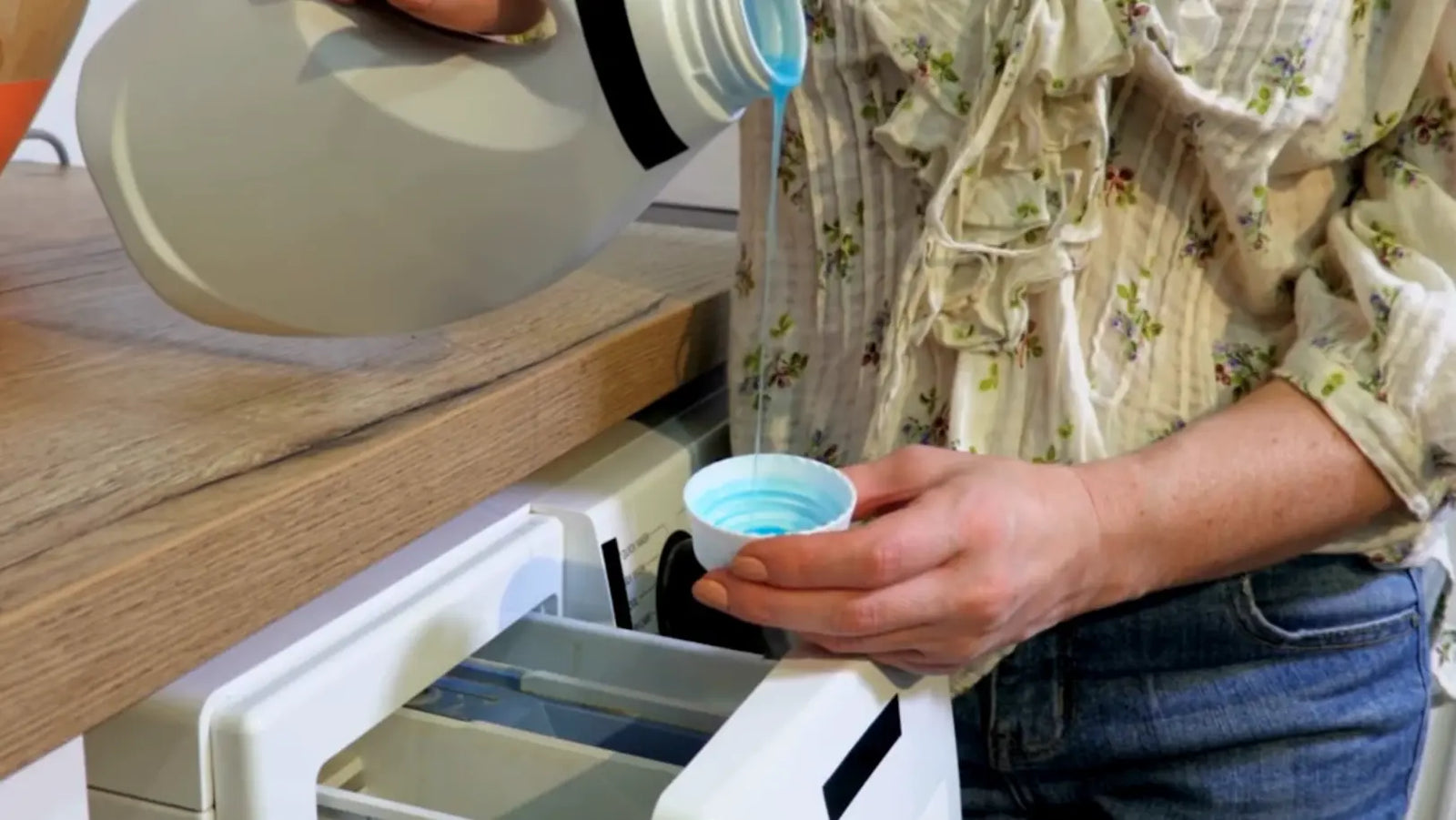
Laundry detergent bottles feel essential until you realise they’re 70 to 90 percent water wrapped in a giant piece of plastic. Most of those jugs never get recycled. In Australia, only 36 percent of PET plastic bottles actually make it through the recycling loop.

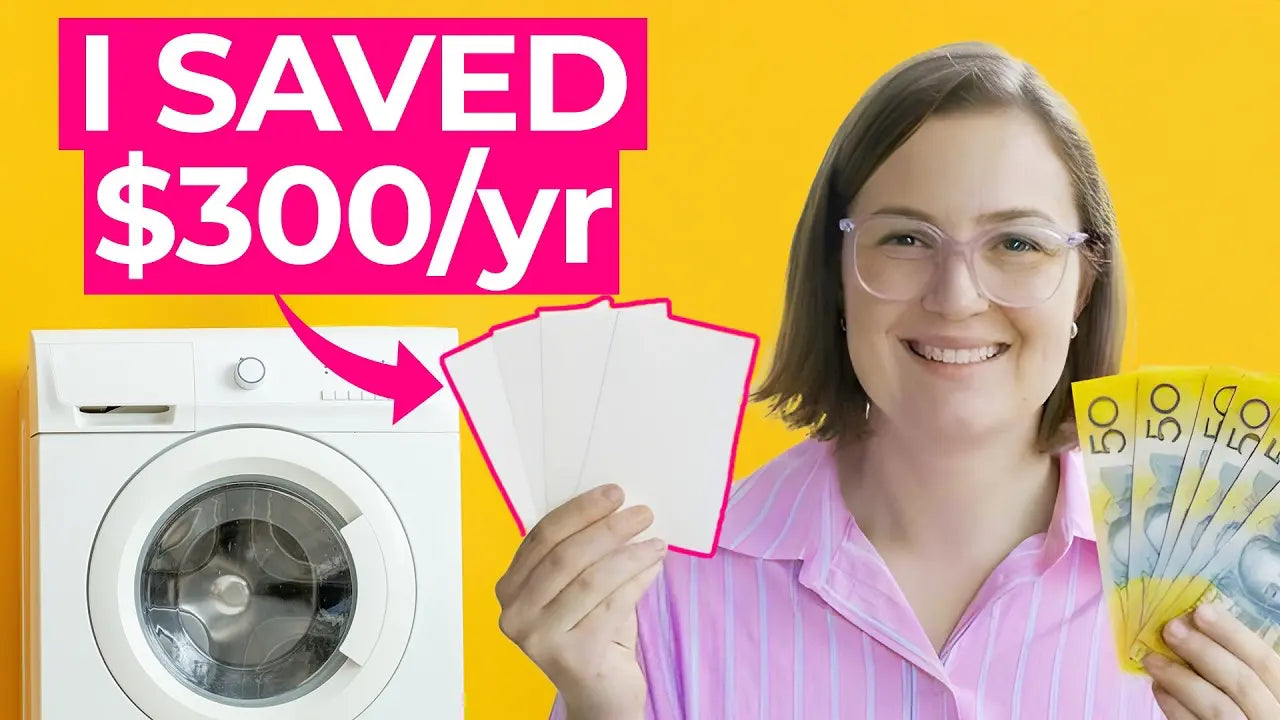
Filthy Clean Laundry and Dishwashing Sheets come in compact cardboard packaging. No single-use plastic, no heavy bottles filling your cupboard, and no paying for water you already have at home. They’re ultra-concentrated, pre-measured, and kinder to the planet and your storage space.
11. Baby Detergent
Baby detergent is one of the greatest marketing tricks ever invented. It’s just regular detergent with a baby slapped on the label and a higher price tag. And honestly, if it’s not gentle enough for adults, why is it marketed as safe for infants?
Filthy Clean fragrance-free laundry sheets do the same job without perfumes, dyes, or additives. Simple. Safe. And no baby tax.

12. Spinning Scrub Brushes
TikTok made them look fun and futuristic, but most spinning scrub brushes break fast, feel flimsy, and clean worse than an ordinary brush. They don’t replace your cleaning routine. They just replace space in your already chaotic cupboard.
If accessibility isn’t a concern, a standard scrub brush and a bit of elbow grease is faster, cheaper, and far less likely to end up in landfill after two uses.
The Real Secret to a Cleaner Home
When I finally threw out ninety percent of my cleaners, my house didn’t fall apart. It actually felt calmer. No fake lemon-cloud fog. No itchy hands. No bin full of half-used bottles I bought in a moment of panic.
Just a small set of basics that actually work: vinegar, bicarb, soap, hot water, and a few Filthy Clean essentials.
Most homes don’t need more products. They need fewer, better ones.
Try the Filthy Clean Starter Pack
If you want to clean without the toxic fog, the fake freshness, or the cupboard of broken promises, start simple.
The Filthy Clean Home Cleaning Starter Pack gives you the essentials that actually work without the clutter or chemicals:

Laundry Sheets. Dishwashing Sheets. Toilet Cleaning Sheets. All non-toxic. All powerful. All designed to cut waste and cut overwhelm.
👉 Grab your Filthy Clean starter pack today.